News
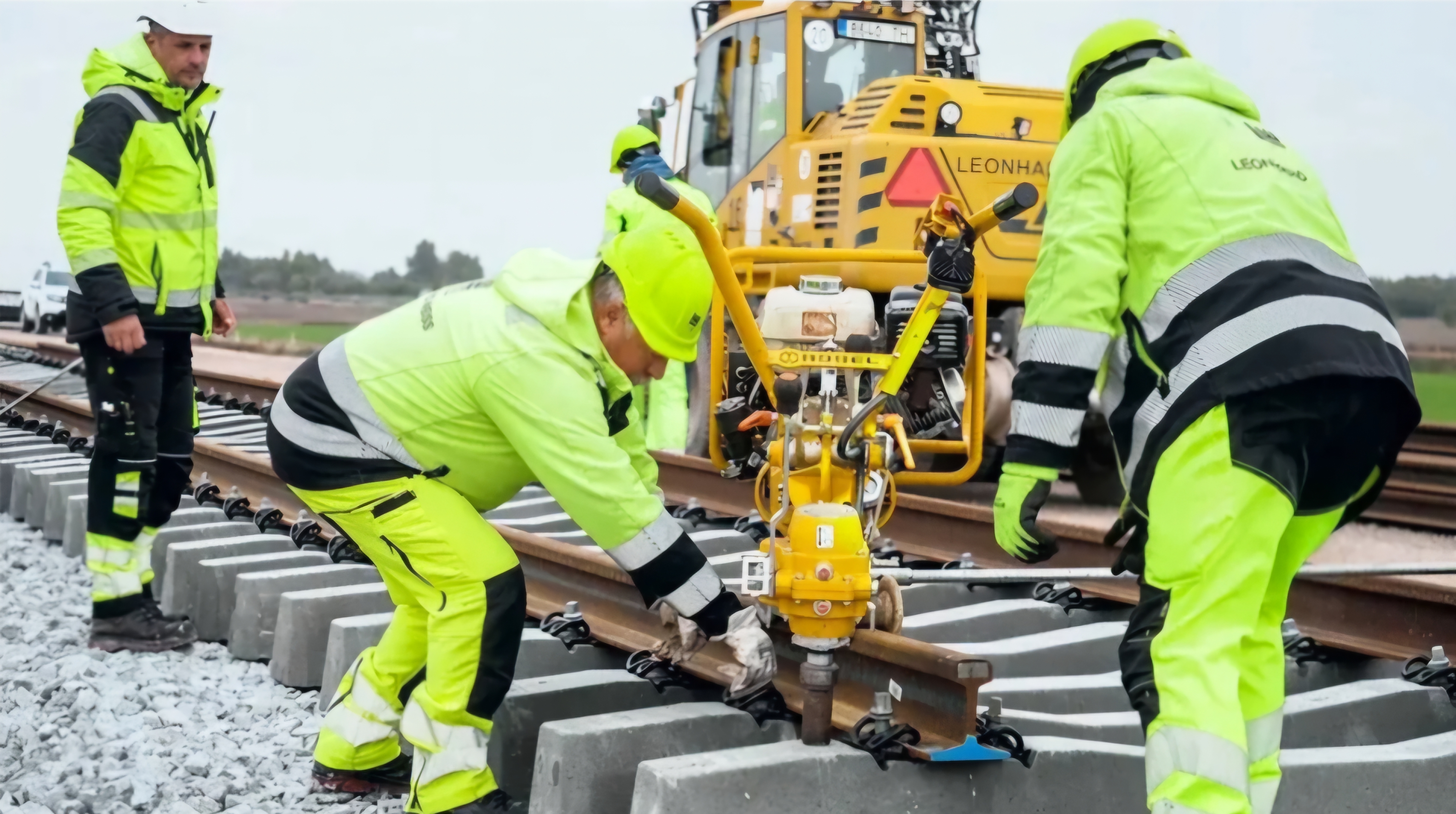
Rail Baltica project enters active phase
2025-10-18
Despite Russia's repeated attempts to block
the Baltic states' integration with the European Union, the Rail Baltica
railway project, also called the "project of the century", the
construction of the railway is moving from planning to actual implementation -
this is how analysts today assess the progress of the Rail Baltica project.
In fact, with the launch of this project,
the Baltic states will have a solid alternative to get rid of Russia's policy
of blocking their transport corridors for the past 30 years.
Rail Baltica is the largest regional
railway infrastructure project, which will connect Warsaw, Kaunas, Vilnius,
Riga and Tallinn.
The technical parameters of the project
include: a European-wide double-track railway, which will be fully electrified.
The construction period is 10 years. It is designed for both passenger and
freight traffic. The speed of passenger traffic is 250 km/h, freight traffic -
120 km/h.
The completion of the Rail Baltica project
is planned for 2030, although it is not excluded that the deadline will be
extended to 2033.
The length of the railway connecting the
three Baltic states is 870 km, of which 392 km will pass through the territory
of Lithuania, 265 km through Latvia, and 213 km through Estonia.
As for financing, the project is being
implemented with the help of the state budgets of the Baltic states and the
Connecting Europe Facility (CEF) fund of the European Union. The European Union
is financing 85% of the project cost.
The project has already received 4 billion
euros in financing from the European Union. Taking into account costs and
inflation, the initial cost of the project, which according to the 2017
financial analysis amounted to 5.8 billion euros, will increase significantly
and reach 23.8 billion euros. Of this, 15.3 billion euros are planned for the
first stage of work.
Russia skillfully uses the increase in the
cost of the project and often influences the local population with myths about
the inefficiency of the project and the misuse of allocated funds. Despite the
existing obstacles, the implementation of the project is proceeding
intensively.
Russia unequivocally considers the Rail
Baltica project as a factor of NATO aggression against Russia, since it
believes that in the event of hostilities it will be easy to transfer troops
and military equipment from central Europe to the Russian borders.
Today, the Rail Baltica project has entered
an active phase. The construction of the European standard 1435 mm gauge
railway track has officially begun in Lithuania as part of the Rail Baltica
project.
By the end of 2025, 43% of the earthworks and artificial structures of the Rail Baltica main line will be ready for track construction, which is a major step towards integration with the European rail network.
transcor.ge