News
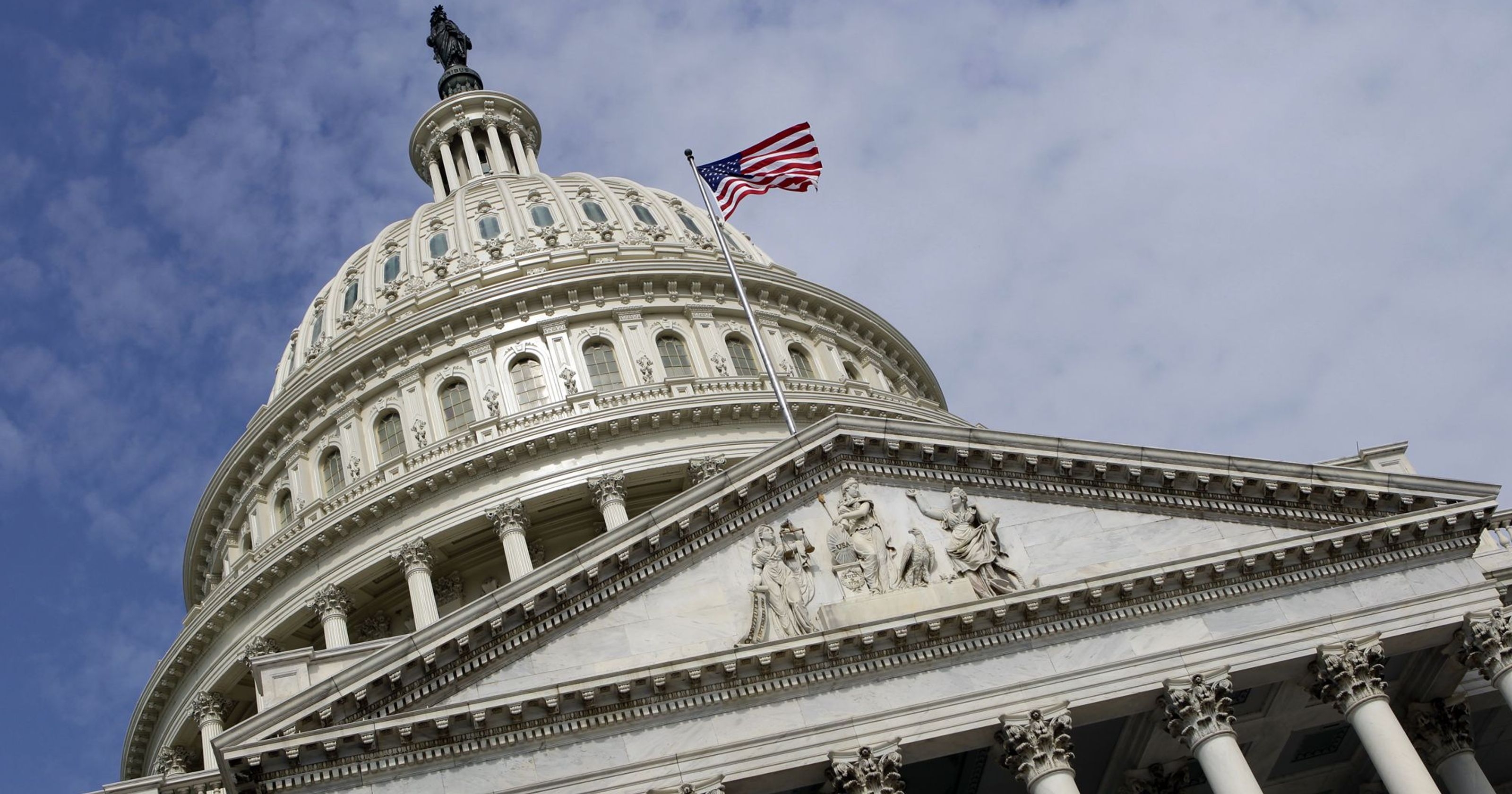
U.S. Presidential Tariff Policy and Congressional Oversight
2026-11-04
Can the U.S. President impose customs tariffs on other
countries without the consent of Congress, and what leverage do the Senate and
the House of Representatives possess?
Under the U.S. Constitution, the authority to regulate
foreign trade and to impose taxes and customs tariffs rests with Congress.
However, over the years, Congress has delegated certain powers to the President
through legislative acts, enabling him to impose or modify tariffs on other
countries under specific circumstances.
The President’s Authority
The U.S. President may impose tariffs on products imported
from other countries without a prior vote by Congress, provided that existing
legislation grants such authority.
For example:
● National Security — Section 232: The
President may impose tariffs if imports are deemed a threat to national
security.
● Trade Discrimination — Section 301: Retaliatory
tariffs may be imposed in response to a foreign country’s unfair trade
practices or violations of trade agreements.
● Protection of domestic production — Section 201:
Subject to a statutory investigation and the existence of specific conditions,
additional tariffs may be imposed on imports.
● Balance-of-payments issues — Section 122: Under
certain conditions, the President may impose temporary additional tariffs—for a
maximum duration of 150 days—within the limits established by law.
It is important to note that the President’s authority is
not unlimited; in each instance, the requirements of the relevant legislation
must be met.
What authority does the Senate have?
The U.S. Senate possesses several significant levers of
power:
1. It can participate in the enactment of legislation
concerning tariffs and in limiting the authority granted to the President.
2. It can demand explanations from the administration,
conduct hearings, and exercise parliamentary oversight.
3. It can participate in the approval of international
treaties. Under the Constitution, the ratification of a treaty requires the
consent of two-thirds of the senators participating in the vote. 4. Together
with the House of Representatives, it can enact legislation that modifies or
limits the tariff-related powers exercised by the President.
What powers does the House of Representatives have?
The House of Representatives, together with the Senate,
constitutes the legislative branch and plays a significant role in shaping
foreign trade policy.
It has the authority to:
● Enact laws that modify or limit the President’s tariff
policy;
● Participate in the approval of the national budget and
related funding;
● Conduct parliamentary investigations and hearings;
● Demand accountability from the President’s administration.
For a bill to become law, the consent of both chambers and
the President’s signature are generally required. A presidential veto can be
overridden by a two-thirds vote in both chambers.
What happens when the President enters into a trade
agreement with another country?
It is important to distinguish between two types of
agreements.
The first is a "treaty": the President
conducts negotiations, but the agreement requires the consent of two-thirds of
the Senate for approval. The House of Representatives does not participate in
the ratification of such treaties.
The second is an "executive agreement": in
certain cases, the President may enter into an agreement with another country
without the prior consent of the Senate. However, such an agreement cannot
alter existing U.S. law, nor can it exceed the authority granted to the
President by law.
If an agreement entails changes to customs tariffs that the
President is not authorized to implement under current law, it may be necessary
for both chambers of Congress to pass the relevant legislation.
Conclusion
In the United States, the President holds significant
authority in the implementation of foreign trade policy, including the power to
impose customs tariffs on other countries. However, the legal basis for this
authority lies in laws enacted by Congress.
The Senate and the House of Representatives may modify,
limit, or revoke the President’s tariff-related authority through new
legislation. Furthermore, the Senate holds the distinct constitutional power to
ratify international treaties.
Thus, the U.S. President does not possess the
unrestricted right to unilaterally alter the nation’s foreign trade and tariff
policy. Ultimate legislative authority rests with Congress, though the
President may act within the scope of powers granted by law.
This material is based on the U.S. Constitution and legal
interpretations provided by the Congressional Research Service. Primary legal
sources: everycrsreport.com
everycrsreport.com / everycrsreport.com
The key legal distinction highlighted in the article is that the President may impose certain tariffs without prior Congressional approval; however, Congress always retains the ability to modify or limit this authority through legislation.
TRACECA.GE