commercial-diplomacy
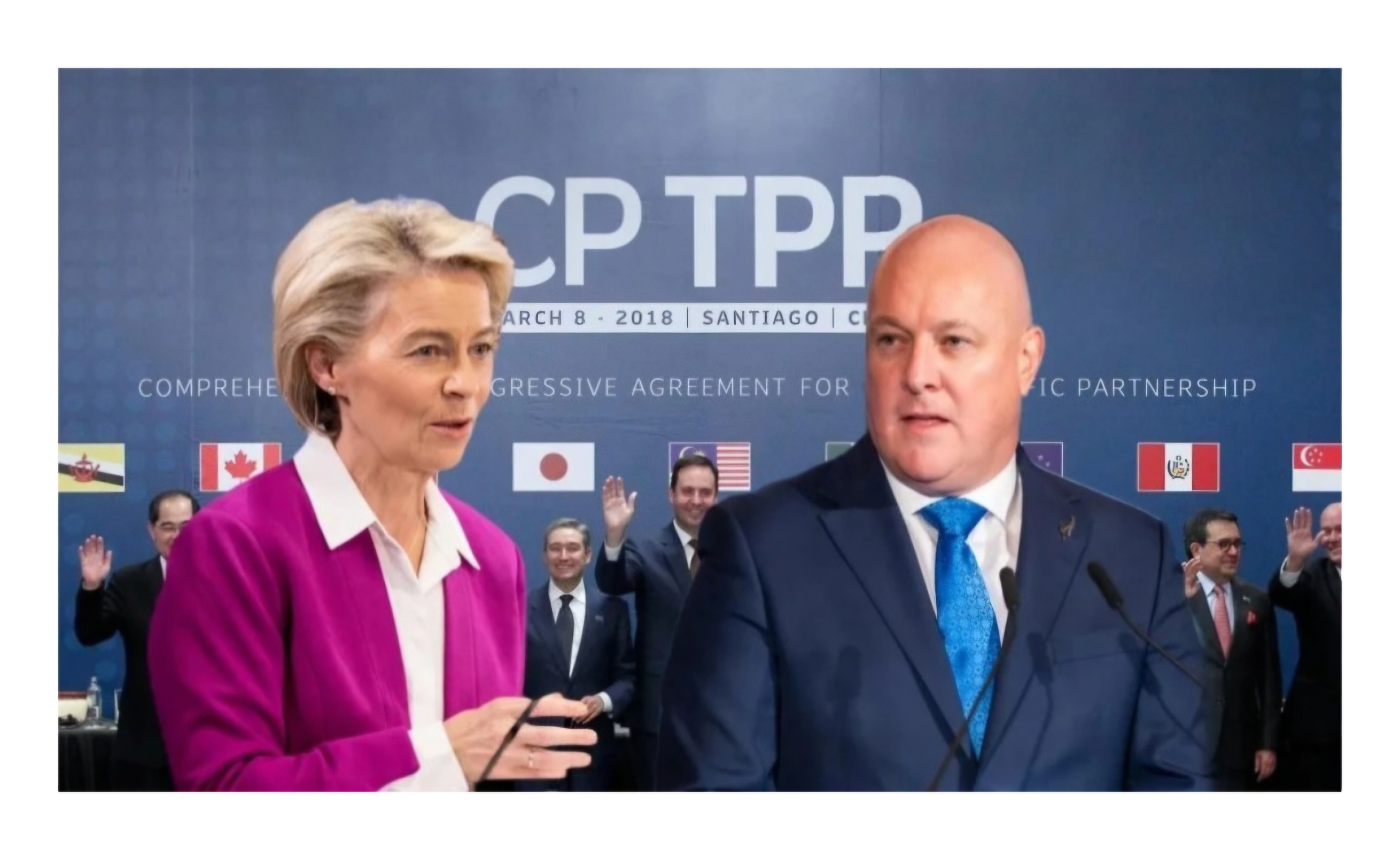
EU Trade Strategy Towards Asia-Pacific
2025-06-30
The unexpected tariff policy of the new US
President, Donald Trump, has prompted the EU to consider a change in its trade
strategy. EU member states have realized that rather than strengthening
transatlantic cooperation, they should focus on diversification, namely on
finding partners in Asia and Oceania.
This is precisely the purpose of the
Comprehensive and Progressive Agreement for Trans-Pacific Partnership (CPTPP),
which the EU is considering. The strategic shift aims to forge a new,
alternative coalition to balance the growing influence of the superpowers.
Brussels intends to continue open trade
between the EU and the Pacific Ocean countries, which confirms the union’s
commitment to a rules-based trading system. It is worth noting that the UK has
already joined the Comprehensive and Progressive Agreement for Trans-Pacific
Partnership (CPTPP), which is urging the EU to do the same. If Brussels heeds
the former member’s recommendation, it could take trade relations with Pacific
Rim countries, including Japan, Australia, Canada and Mexico, to a new level.
It should also be noted that creating a
trade bloc of this scale will not be easy for the EU. The members of the
Comprehensive and Progressive Agreement for Trans-Pacific Partnership (CPTP)
cover a large market on their own, and the expansion of the 27-member bloc
would only be possible through a comprehensive agreement. Both sides have their
own trade interests and areas in which they compete. Moreover, the regulations
and legislation related to employee rights are different. Although all these
issues delay the signing of the agreement, the two sides can already define the
framework within which cooperation will deepen in the future.
The EU’s focus on the Asia-Pacific region
is a reaction to the promotion of protectionist policies by superpowers,
especially the United States, and the disrespect for global trade agreements.
This reality has also strengthened the Indo-Pacific bloc with which Brussels
wants to get closer and with whose cooperation a grand coalition could be
created - focused on a rules-based trading system and diversifying economic
ties.
2025-06-30
Info: bm.ge