commercial-diplomacy
The chosen route, crowded markets and wealthy merchants
2025-09-30
"Among all the possible routes for
transporting oil from Baku, I recommend that you choose the route that passes
through Georgia, since between these two countries, in addition to territorial
proximity, there is a completely unique feeling of friendship and loyalty to
each other that has existed for centuries between Azerbaijanis and Georgians.
For us, foreigners, this factor is of particular importance. All other routes
are associated with much greater risks, since nowhere are there such favorable
conditions as in Baku and Tbilisi. Therefore, I am deeply convinced that we
should choose this route."
This letter was sent from Baku by the
Swedish engineer and entrepreneur Ludwig Nobel to his brothers in St.
Petersburg in 1875.
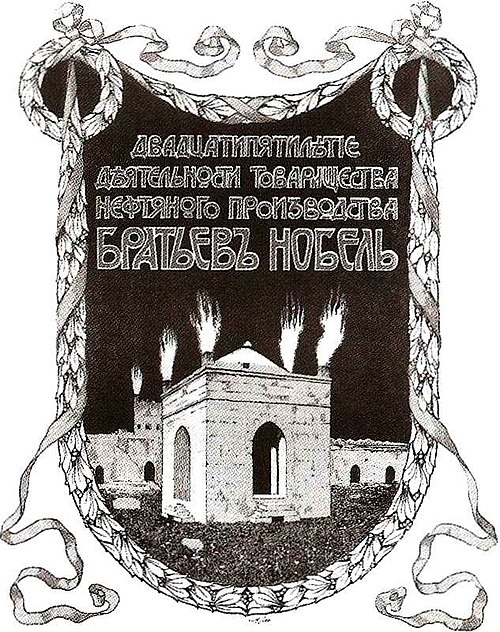
The founders of the "Nobel Brothers Oil Production Partnership" were Ludwig, Robert and Alfred. Together they made a decision to export Caspian hydrocarbons to Europe. They discussed several options for transit routes, and agreed on the route chosen by Ludwig: Baku-Tbilisi-Batumi.
***
The French translation of the works of the
greatest Arab geographer and author of the world map, Al Idris (1100-1165),
gives a fairly detailed description of the coast from Trebizond east to Crimea,
including Georgian cities.
Idris writes about the ancient Sebastopol,
Sukhumi: "It is a prosperous and well-populated city. Its markets are
crowded, its streets are wide, and the houses are built in the style of the
natives. Most of its inhabitants are merchants and wealthy."
In the 13th-15th centuries, during the Genoese consulate, Sukhumi was also an important trade center. Dadiani minted local money here - the Tskhum Tetri, which was also used by Genoese merchants... In the 12th century, Georgia was closely connected with the Caspian Sea, which in turn was connected to the eastern market, and Georgia was connected to the western market through the Black Sea. Thus, Georgia, stretching from sea to sea, where all thieves and caravan robbers were impaled by the energetic measures of George the Third, represented the safest and most convenient bridge between the West and the East. In this large economic space, according to Armenian and Georgian sources, all thieves were expelled and no one could afford to rob caravans, as a result of these conditions and these guarantees. It is natural that the Georgian coastal city of Sukhumi was really as described by the greatest geographer of the Middle Ages - Al Idris. This is actually the maritime city of "The Man in the Panther's Skin" [Beka Chichinadze].