commercial-diplomacy
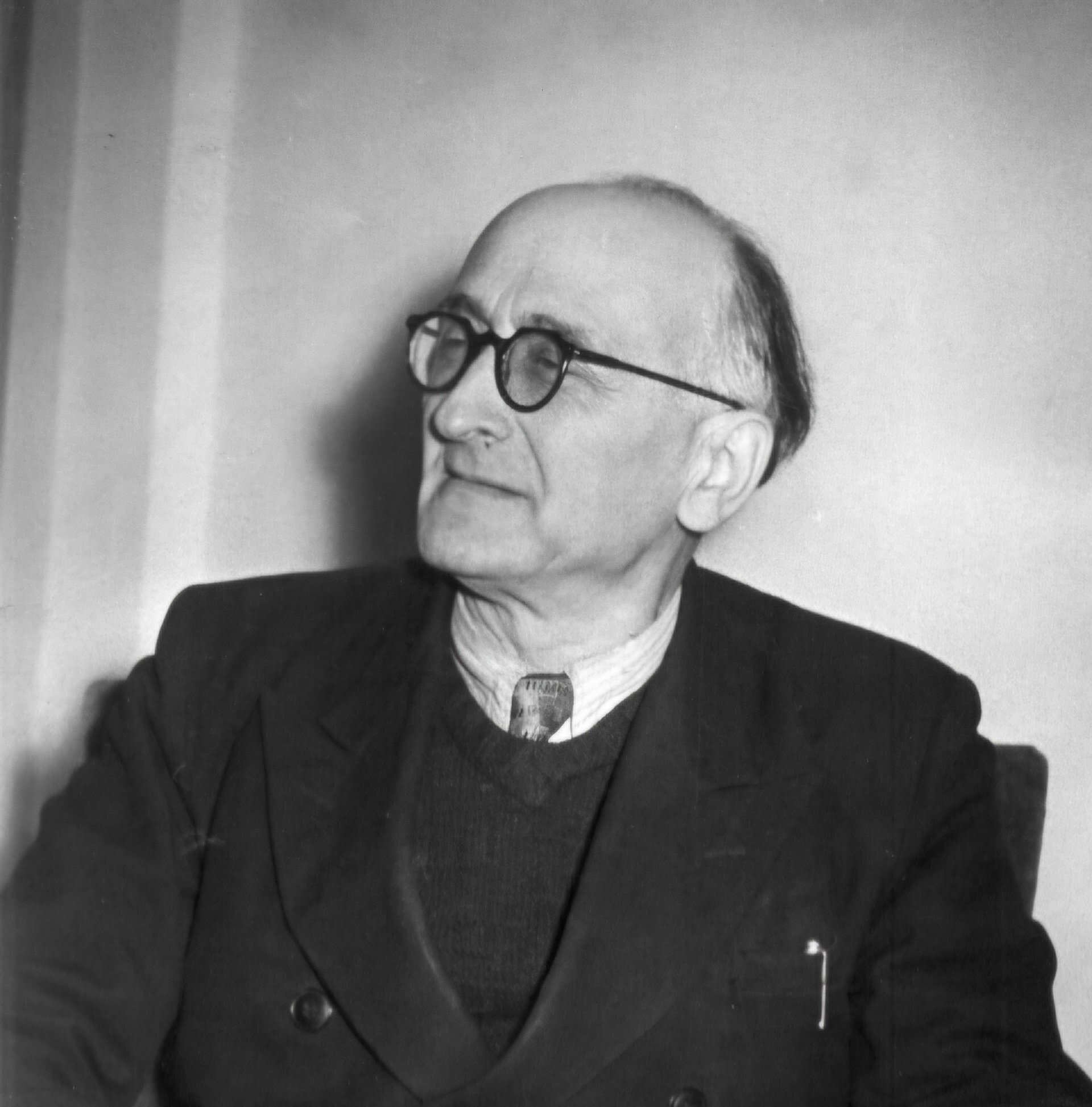
The Georgian people and the Armenian people are closely related to each other
2026-04-03
The Georgian people and the Armenian
people, these two nations of great and ancient culture, are closely related to
each other.
This connection is measured not in years,
not in centuries, but in millennia. For millennia, the Georgian people and the
Armenian people were united not only by geographical proximity. This, of
course, is little; they were united by more than that: by cultural kinship.
Even more: they had a common historical path.
History has assigned the Georgian people
and the Armenian people to settle in the Caucasus, on the border where the
cultural worlds of the East and the West have touched each other since ancient
times.
This guided the historical fate of these
two fraternal nations. The Georgian people and the Armenian people had to work
together - in similar historical conditions - both to carry out cultural
construction and to fight to preserve their national identity.
For some time now, the Georgian and
Armenian peoples have firmly adopted the orientation of Western culture, and
Georgia and Armenia have been border outposts of Western culture at the gates
of the East for many centuries. The historical adventures of the Georgian and
Armenian peoples are marked by many storms.
And when we read the pages of the history
of the Georgian and Armenian peoples, marked by heroism, we are filled with a
sense of pride for the great wisdom of these two kindred nations - the
awareness of the unity of interests, the fraternal cooperation that these two
peoples engaged in, isolated due to historical circumstances on the outskirts
of the East - in a foreign environment.
There are few examples in the past of such
close, lasting contact between two nations throughout history, as the ancient
history of Georgia and Armenia presents to us.
Of course, it was not a coincidence that
the Georgian people and the Armenian people adopted Christianity at the same
time in the 4th century, and in particular, by this they expressed their
kinship and connection with the Western, European world.
Since then, during the 4th-7th centuries,
the Georgian people and the Armenian people have had to fight together to
preserve their national identity against the invasion of the Iranian Empire.
And if the Armenian people fondly remember the name of the 5th-century hero
Vardan the Great, who, together with other Armenian heroes, sacrificed himself
for Armenia in the memorable battle of Avarayr against the Iranian aggressors,
the memory of the Georgian people is equally etched with fondness with the
image of the 5th-century hero Vakhtang the Great Gorgasari.
Then, starting from the middle of the 7th
century, Armenia and Georgia together experienced the Arab invasion. The fire
of struggle against Arab violence was lit in Georgia and Armenia more than
once. The Georgian people and the Armenian people are not born for slavery.
Arab domination could not break the heroic Georgian nation and the heroic
Armenian nation, they withstood the hardships of Arab domination, and after
that the state revival of Georgia and Armenia begins again, begins again
simultaneously.
And when we get acquainted with the historical documents of this era, or at least the monuments of the era, those magnificent monuments of material culture with which the lands of Georgia and Armenia are covered, we see how much Georgia and Armenia have in common both in their historical adventures and in their culture."
Pavel Ingorokva, Georgian historian,
Rustaveliologist